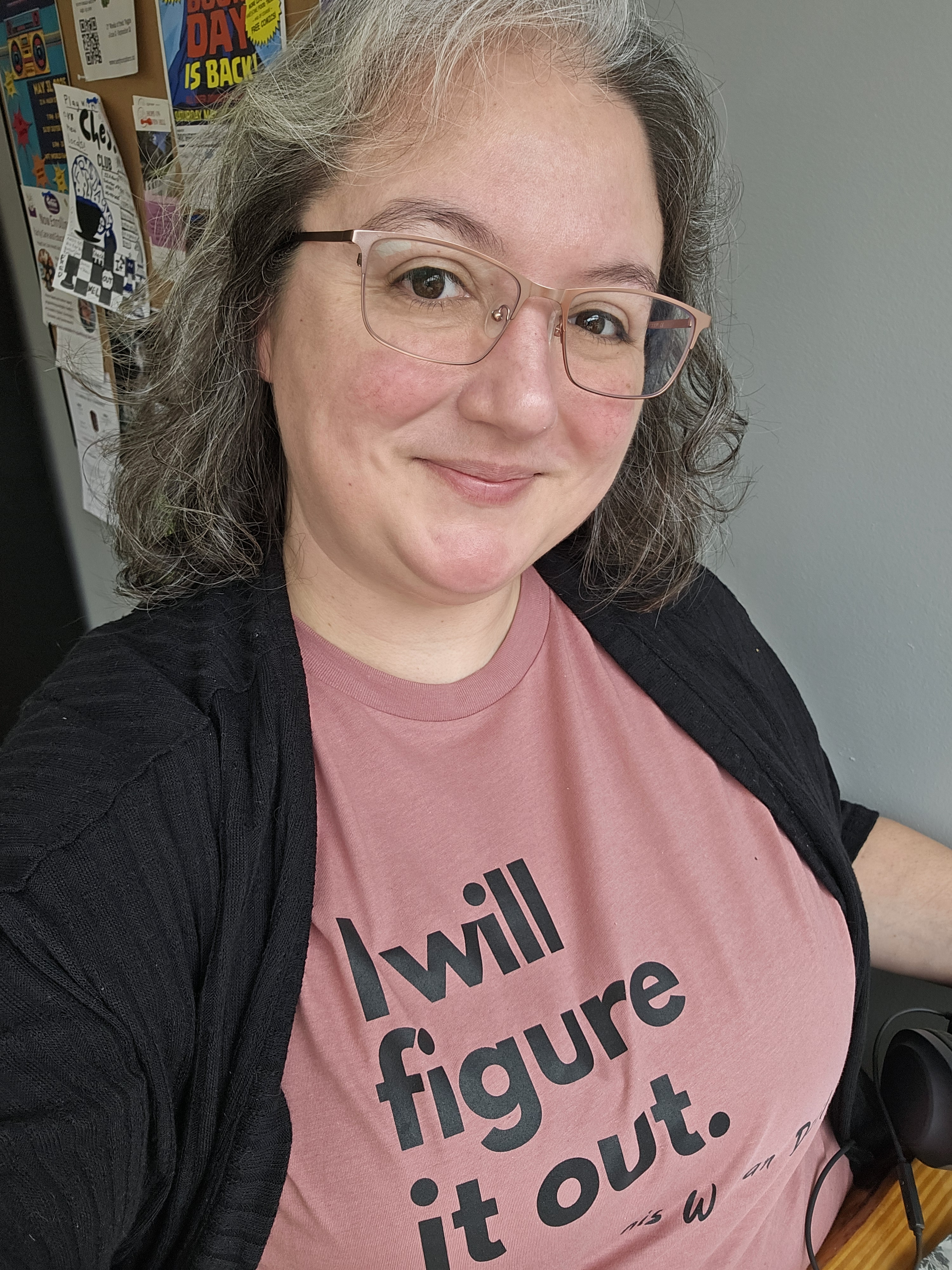
I’ve always believed that learning doesn’t stop when we leave the classroom. Now, back in school in my 40s, I’m putting that belief to the test. This time, the challenge is business financials… A subject that’s never come easily to me. If there’s one subject that has consistently made me want to close my laptop and walk away, it’s business financials.
As a words-first person – someone who thrives in conversations, writing, and building human connection – trying to make sense of financial statements and formulas feels like stepping into a different world. I’m not naturally fluent in numbers. Give me an employee handbook, a DEI strategy, or a coaching session and I’m all in. But when it comes to the difference between cash flow and profit? Or trying to understand how the balance sheet links to the income statement? That’s when the frustration kicks in.
Right now, in my graduate business course, I’m deep in the weeds of financial literacy. I’ve been studying concepts like the income statement, balance sheet, and statement of cash flows, and watching videos that try to make it all clearer. One walks through the three major financial statements and how they connect. Another explains why profit isn’t the same as cash (a deceptively tricky concept).
These videos are helpful, but they also remind me how far outside my comfort zone this is. I’ve had to pause, rewind, and rewatch. I’ve taken notes, talked through the logic out loud, and the numbers still feel slippery at times, like trying to grab water with your hands.
So why push through?
Because understanding business financials matters, especially in Human Resources. HR professionals need more than just people skills. We need to understand how a company operates at every level, including financially. Whether it’s budgeting for learning and development, advocating for fair compensation, or aligning employee strategies with organizational priorities, financial fluency gives HR a seat at the table.
And for me, wanting to be that kind of strategic HR partner means facing what’s hard, not avoiding it. It’s not easy. I don’t love it. It’s not fast. And no, I’m definitely not suddenly a spreadsheet whiz. But I’m learning that struggle is not a sign of failure, it’s a sign that you’re stretching.
To every other words-first learner out there tackling numbers, formulas, or systems that feel unfamiliar: I see you. We may not learn the same way, and it may take us a little longer, but we’re still absolutely capable.Keep showing up. Keep asking questions. Keep rewinding the video one more time.
Growth doesn’t always feel good, but it’s still growth.
This is just a reflection on what it means to lean into learning, even when it feels uncomfortable — especially when it’s uncomfortable. If you’ve ever struggled with a subject that just didn’t click right away, I’d love to hear your story too.
 Help! Send Coffee!