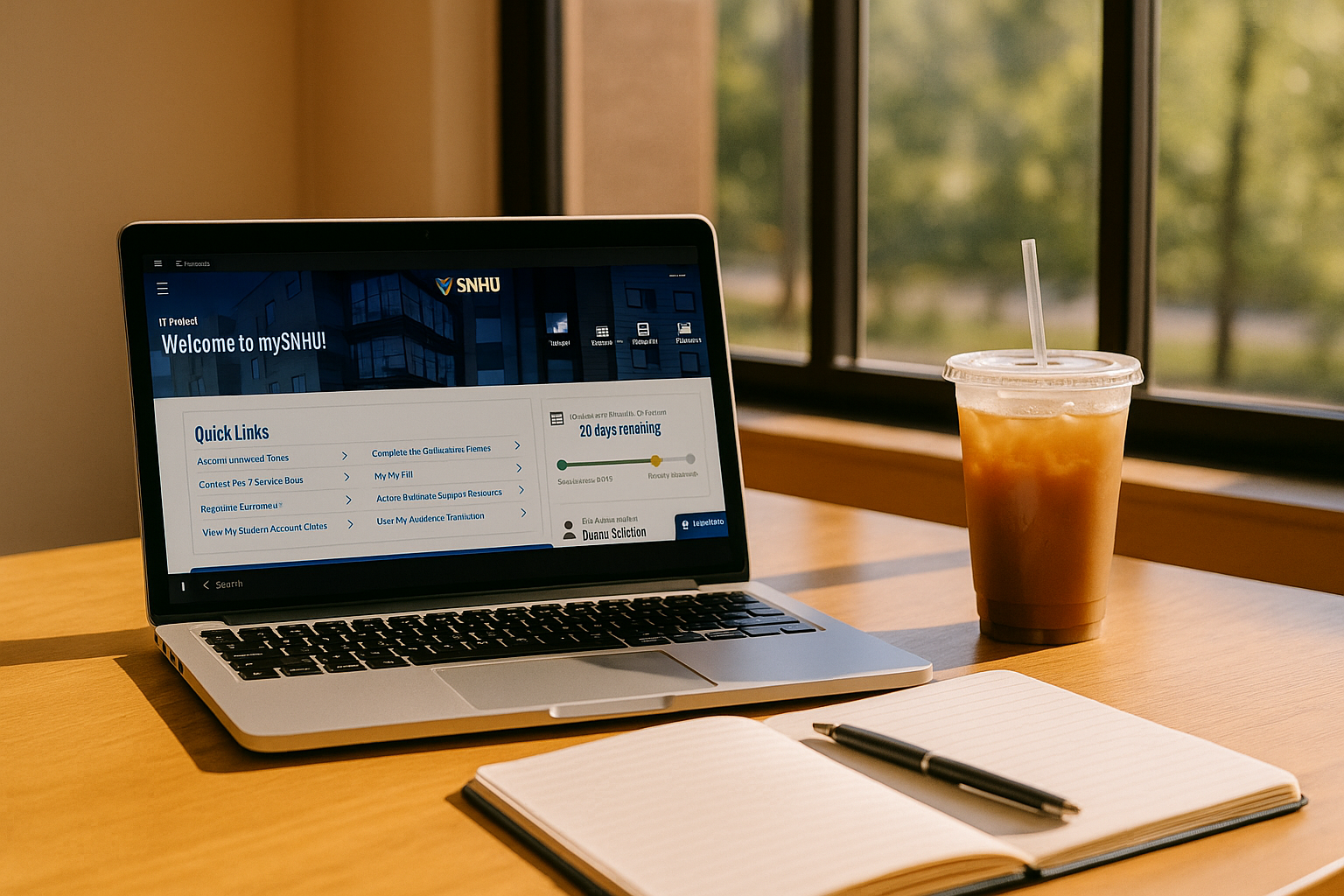
The longer I’ve been in school, the more I’ve realized that what we learn in class doesn’t stay in class. It spills into how we think, how we lead, and even how we handle the hard moments at work.
Over the past several terms, I’ve been diving deep into management courses that cover everything from strategic planning to organizational communication and leadership theory. It sounds technical on paper, but what stands out to me isn’t the models or frameworks. It’s how they translate into real human experiences.
In Strategic Management, I learned how to take a step back and look at the bigger picture: to think about how individual actions fit into organizational goals. That’s changed the way I approach my work in patient and family relations. Instead of just solving problems in the moment, I find myself asking what systems or patterns might be causing them. What does this issue say about how we communicate, how we structure support, or how people experience care?
In Organizational Communication, I’ve learned how language shapes culture. It’s not just what we say but how we say it, and who feels safe saying it back. That perspective shows up in every patient conversation, every staff interaction, every email. When someone feels heard, they start to trust that you’re not just solving a problem, you’re listening to the person behind it.
Some of the most valuable lessons haven’t come from any single assignment, but from the way these courses connect. Together, they’ve made me more aware of how leadership, structure, and empathy intersect. It’s one thing to understand the theory behind emotional intelligence or workplace motivation; it’s another to see how those ideas play out when someone is overwhelmed, scared, or just needs to be treated with respect.
I’ve also come to appreciate how much management work, especially in healthcare, is about balance. Balancing efficiency with empathy. Structure with flexibility. Data with the real human stories behind it. The classes I’m taking now give me language for those balancing acts, and a framework for how to approach them without losing sight of the people at the center of it all.
It’s easy to think of higher education as something that happens outside of work, like it’s a separate box to check or a credential to earn. But for me, it’s been the opposite. Every discussion post, every paper, every case study has helped me see my work with fresh eyes. It’s taught me that growth isn’t just about mastering new concepts; it’s about learning to connect them back to what matters most.
Resources that have contributed to my thinking:
- Balanced Scorecard Institute — connecting mission and measurement
- To Improve Health Care, Focus on Fixing Systems — Not People — a thoughtful look at system-level improvement over individual blame
- Understanding Unhappy Patients Makes Hospitals Better for Everyone — insights on turning feedback into organizational learning
- Guiding Principles for Improving Health Care Workforce Well-Being — from the Institute for Healthcare Improvement
 Help! Send Coffee!